
How Long Does Preserved Moss Last? A Complete Care Guide
"Does it need watering?" is probably the question we get asked most at markets and events — usually while someone's got their hand halfway to touching it, checking whether it's real. It is real. It just doesn't behave like a living plant anymore.
Here's how it works, and what that means for how long it'll keep looking good.
What "Preserved" Actually Means
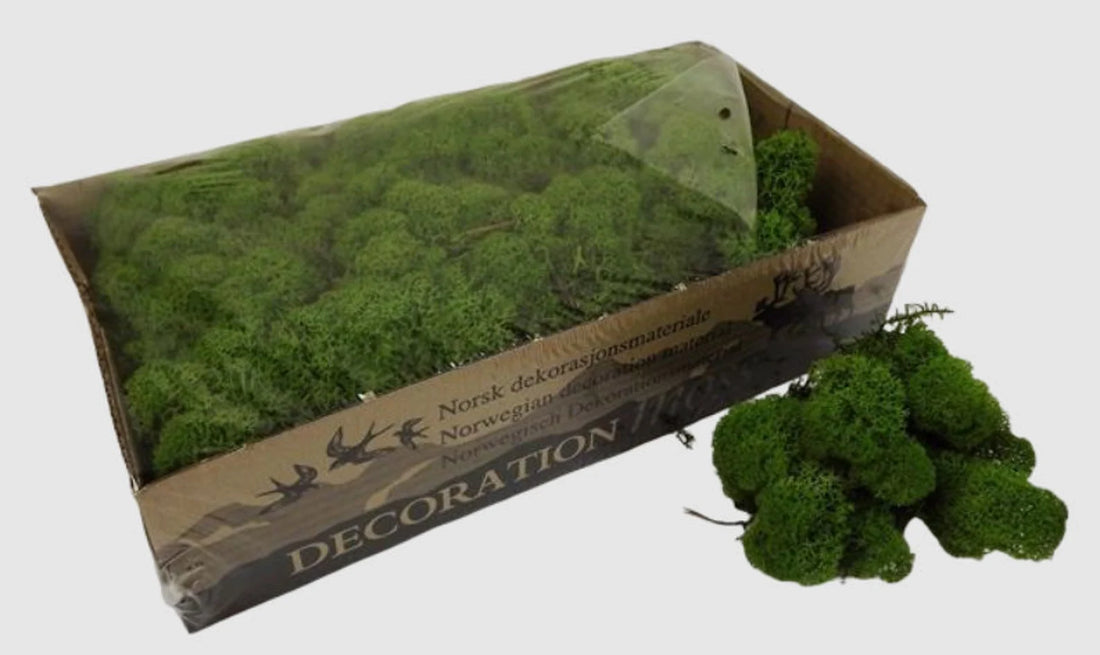
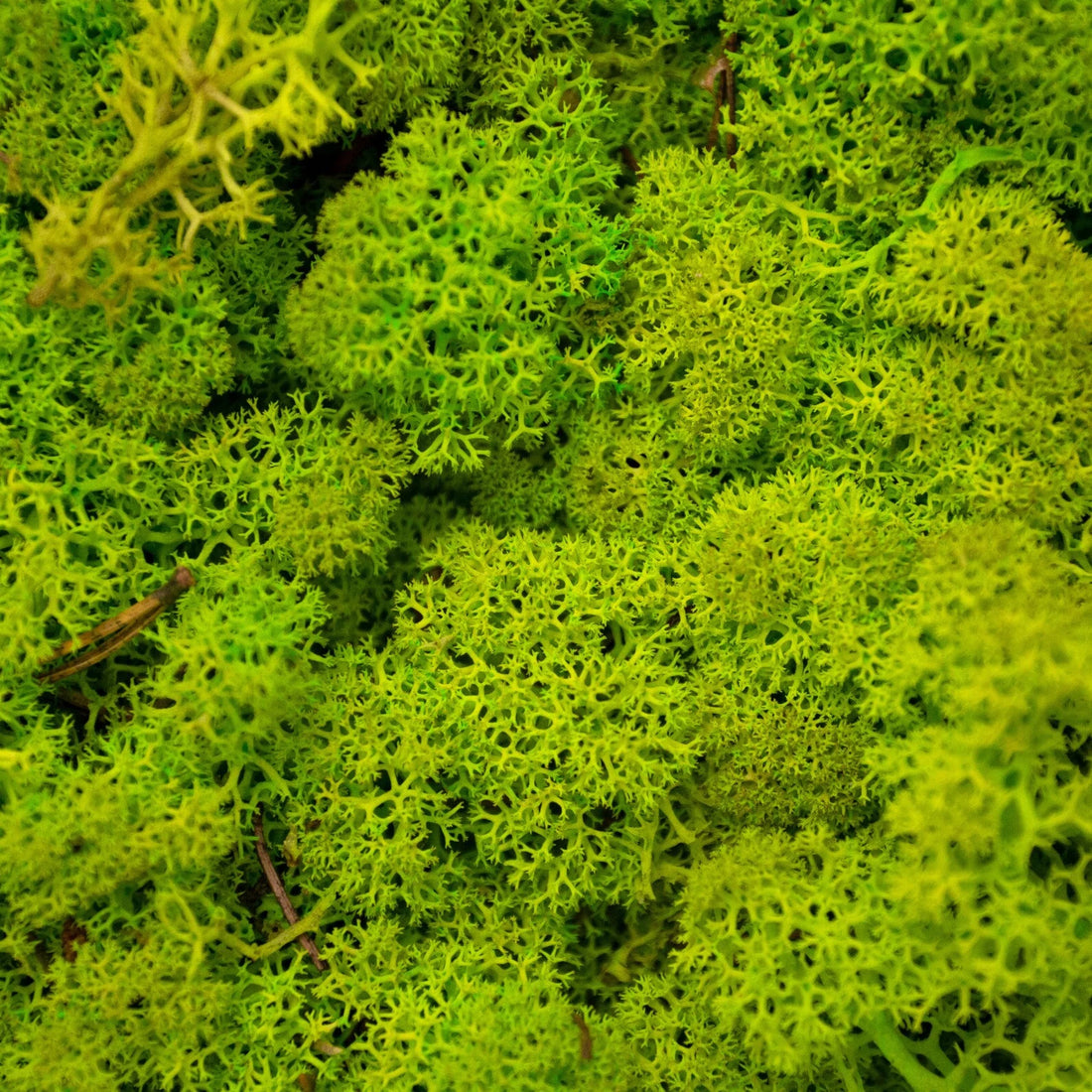
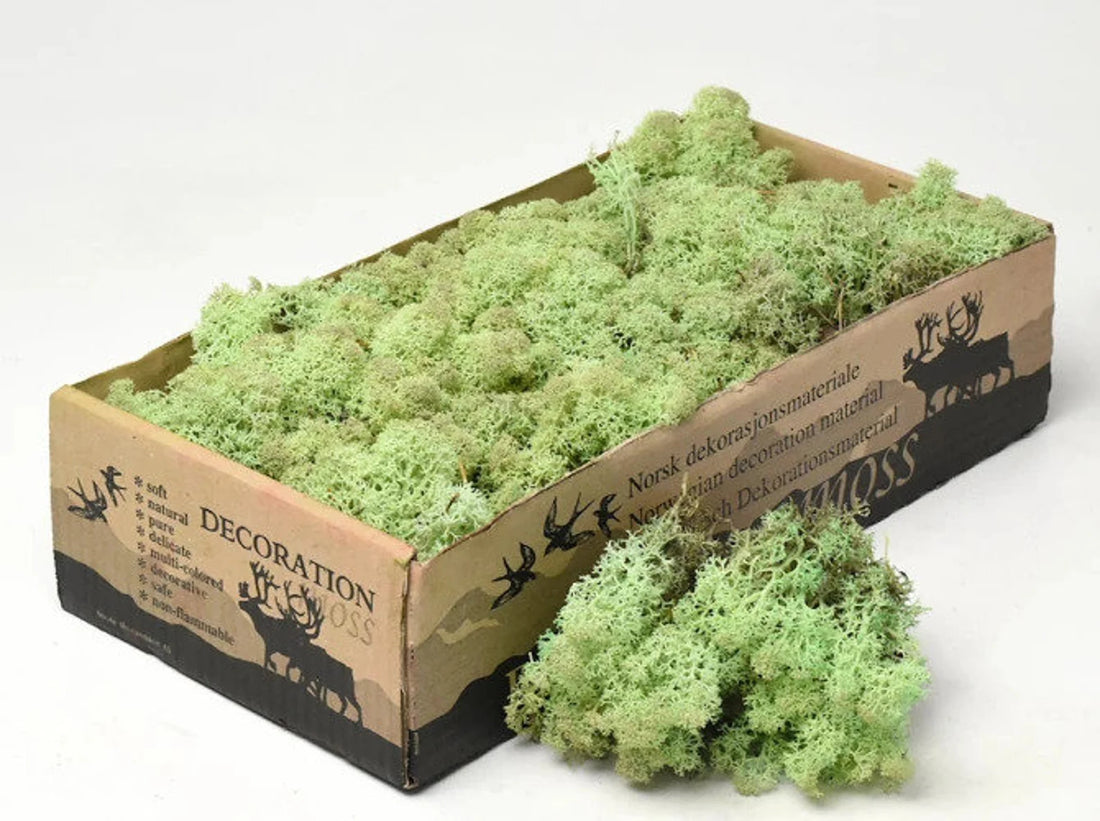
Preserved moss starts as real, living moss, harvested at its peak — it isn't dried, and it isn't artificial. It's cleaned, then its natural moisture is replaced with a plant-safe glycerine solution, using a similar preservation principle to the one used on stabilised flowers. That's what allows the moss to stay soft and hold its colour. It no longer needs water, light or humidity because it's no longer a living, growing plant.
Does Preserved Moss Need Watering or Light?
No. Living moss needs consistent moisture and indirect light — preserved moss needs neither, and actively dislikes water. Pouring water on it, or even regularly misting it, can damage the preservation and leave the colour dull and the texture stiff and crunchy rather than soft. It's one of the easiest ways to damage it.
No soil, no drainage, no feeding either. It's a big part of why we see so much of it going into offices and retail spaces now — you get real greenery in a reception area or shop window without anyone needing to remember to look after it.
How Long Does It Last?
With reasonable care, most preserved moss stays vibrant for two to three years, and we've seen plenty of installations still looking good well beyond that. Longevity comes down to environment far more than age.
The biggest mistake we see is placing it somewhere it catches strong afternoon sun — a bright window ledge, or a shopfront that faces west. It can look completely fine for months, and then you start noticing the colour has gradually shifted, the same way a sun-faded cushion or curtain does. Indirect light is fine; direct, sustained sun is the thing to actually avoid.
Simple Care Tips
Looking after preserved moss is less about active maintenance and more about a few things to avoid:
- Keep it dry. No watering, misting, or spraying — ever.
- Avoid direct sunlight. Bright, indirect light is fine; harsh direct sun over months will fade the colour.
- Dust gently. A soft brush or a light burst of cool air (like a hairdryer on a cool, low setting) is all that's needed to keep it looking fresh.
- Mind the humidity. Very damp environments — think steamy bathrooms with poor ventilation — aren't ideal for long-term display.
- Keep it away from heat sources. Radiators and heating vents dry it out and make it stiff over time.
No feeding, no repotting, no seasonal routine. That's it.
Why This Matters for Bigger Projects
A moss wall, styling for a wedding, a bulk order for a shop display — for any of these, the no-maintenance side of things is one of the biggest advantages over a living green wall, which needs irrigation, grow lights and someone checking on it regularly.
It also means moss can be reused. We regularly get moss back from event stylists after a wedding, stored flat and out of the light, ready to go out again for the next booking rather than being thrown away.
A Forgiving Material
One of the things we like most about preserved moss is how forgiving it is. Leave it for a fortnight and it'll still look much as it did when you left it — it won't wilt, droop, or sulk in a spot that isn't quite ideal the way a living plant would. That's the practical reason it's ended up everywhere from florists' workshops to office receptions.
If you're planning a project and aren't sure which colour or format will suit it, get in touch — Natasha's happy to talk it through.